 Shintae





B2B Whitepaper: Deciphering the Artificial Orchid Stem Manufacturing Ecosystem
An industry analysis on materials, engineering practices, Chinese factory advantages, and global procurement trends for high-end artificial Phalaenopsis orchids.
01. Material Science Revolution: From Cheap Silk to Real-Touch Polymers
The global market for artificial botanicals has undergone a massive paradigm shift. Previously, commercial landscapes and event rentals relied heavily on low-grade polyester fabrics, commonly referred to as "silk flowers". These materials suffered from rapid fraying, color fading under UV exposure, and a synthetic, unrealistic texture. As a result, premium commercial properties and retail buyers rejected them due to their artificial look and lack of durability.
Today, leading Chinese factories utilize sophisticated polymer chemistry. By layering high-grade Polyurethane (PU) and Ethylene-Vinyl Acetate (EVA) foam blends, manufacturers can replicate the exact cellular structure of natural orchid petals. This "Real-Touch" or "3D-Printed" technology ensures that the faux orchid stems feel moist and cool to the touch, closely mimicking live Phalaenopsis orchids.
Furthermore, the internal structural design of the stem is engineered with high-tensile carbon steel wires wrapped in protective PVC. This combination allows for flexible bending and shaping, making it perfect for complex floral arrangements. Crucially, the materials do not lose structural integrity or break down under repetitive mechanical stress, resolving a major pain point for event planners and commercial staging firms.
02. Why China Leads the Global Production of Premium Fake Orchid Stems
China's dominance in the artificial flora manufacturing sector goes beyond low labor costs; it is driven by a highly integrated supply chain ecosystem. Industrial clusters in Qingdao and Guangdong bring together raw chemical processors, precision injection mold makers, dyeing facilities, and advanced logistics hubs into a unified network.
Key Structural Advantages of Chinese Orchid Factories:
- Precision Tooling & Injection Molding: Chinese factories employ CNC steel molds to replicate the organic grooves, nodes, and buds of natural orchids. This ensures high structural consistency across bulk production runs.
- Automated Polymer Dyeing: Advanced computer-controlled dyeing ensures consistent color matching (using the Pantone system) from batch to batch. This is critical for major hotel chains and multi-national retailers that require uniform brand colors.
- Eco-Safe Formulations: Modern manufacturing lines adhere to strict international environmental regulations, producing items that comply with REACH and RoHS standards, and are free from harmful volatile organic compounds (VOCs).
- Scalable Production Capacities: The integration of advanced machinery and assembly lines allows factories to produce tens of thousands of premium stems weekly, ensuring short lead times even during peak season.
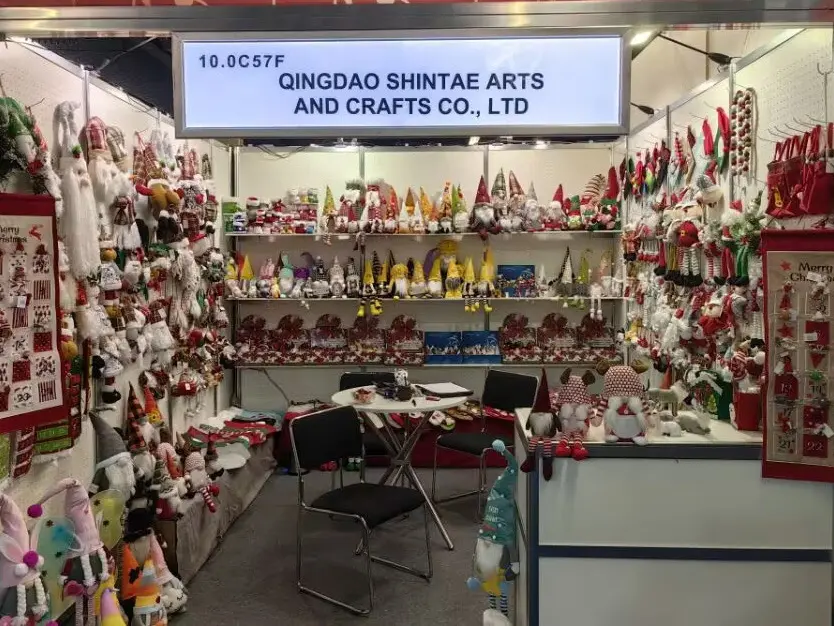
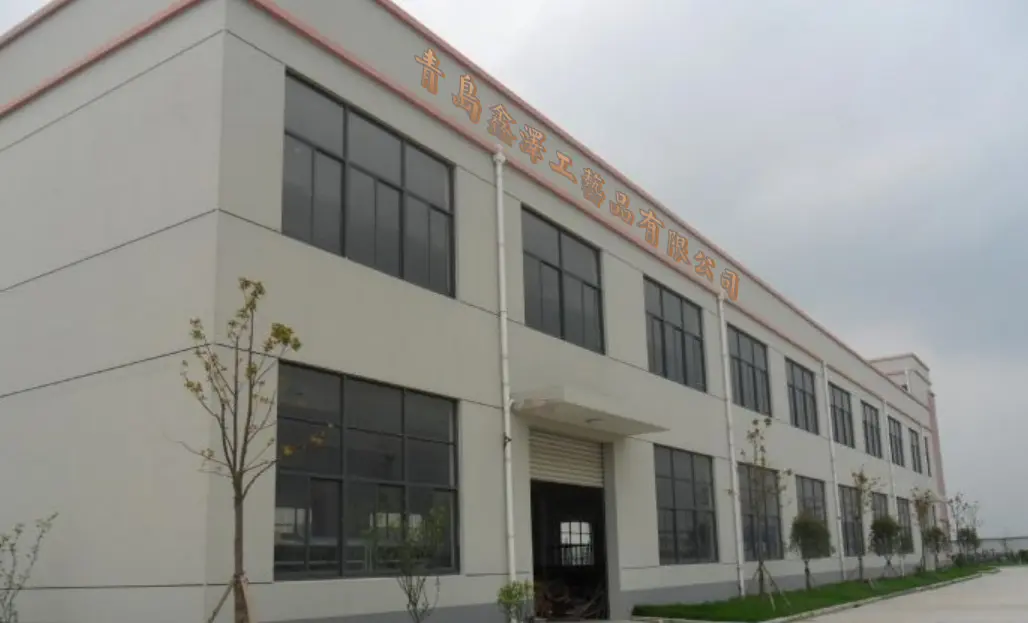
This efficient infrastructure enables companies like Qingdao Shintae to deliver highly customized OEM and ODM solutions to clients worldwide. The speed of prototyping—turning a custom design into a physical sample within days—gives overseas brands a significant competitive edge in fast-moving markets.
03. Market Trends: The Rise of Biophilic Design & Commercial Durability
The shift toward sustainable, low-maintenance interior decoration has made premium artificial plants a staple of modern biophilic design. Architects and commercial developers are increasingly specifying high-end fake orchid stems for spaces where live plants cannot survive, such as dimly lit lobbies, high-altitude office towers, and temperature-controlled retail areas.
By choosing premium faux stems, businesses save on the recurring costs associated with live plant care—watering, pest management, and regular replacements. The long lifespan of high-quality PU orchids translates to a strong return on investment (ROI) for commercial properties, driving steady demand from commercial real estate developers, hotel management companies, and corporate offices.
04. Localization Application Scenarios: Tailoring to Diverse Global Markets
Successful international distribution requires custom product designs tailored to regional aesthetic tastes and functional requirements:
- North American Market (USA & Canada): Focuses on large, dramatic arrangements. Popular designs include multi-branch Phalaenopsis orchids in neutral tones (off-white, cream, light pink) paired with rustic, organic containers. Buyers prioritize fire-retardant certifications (NFPA 701) for commercial installations.
- European Market (Germany, UK, France): Prioritizes minimalist designs and high environmental standards. European clients demand eco-friendly, REACH-compliant materials and subtle, natural color gradients. The preferred style leans toward single, elegant stems displayed in sleek, modern ceramic pots.
- Middle Eastern Market: Prefers bold, lavish designs. Golden accents, vibrant magenta, deep purple, and grand, oversized arrangements are popular choices for private villas and luxury hospitality venues.
- Asia-Pacific Market: Focuses on symbolic meaning and space efficiency. Compact arrangements featuring auspicious colors like red and deep yellow are popular for corporate offices, residential spaces, and holiday displays.
05. B2B Supply Chain Optimization: Ensuring Quality in Transit
A major challenge in the bulk supply of artificial flowers is protecting the products during long-distance transit. Long stem items are prone to crushing, bending, and moisture damage when packed tightly in shipping containers for weeks. Expert manufacturers address these issues through optimized packaging designs:
Custom Internal Cardboard Inserts
Precision-cut cardboard trays secure each stem in place, preventing movement and crushing during shipping.
Anti-Moisture Silica Packs
Industrial-grade desiccant packets are placed in every box to prevent mold and color bleeding caused by humidity fluctuations in ocean containers.
Reinforced Outer Cartons
Heavy-duty, five-layer corrugated boxes protect the products from physical impact and stacking pressure in warehouses.
By implementing these robust packaging standards, manufacturers minimize product damage and return rates, ensuring that the artificial stems arrive in perfect condition, ready for display or immediate retail sale.