As the festive season approaches, the search for the perfect Xmas Tree Ornaments becomes a delightful quest for many. These decorations do more than adorn trees; they encapsulate memories and traditions. With a wide variety of styles, materials, and themes available, global buyers are often confronted with overwhelming choices.
When selecting Xmas Tree Ornaments, consider both aesthetics and meaning. Unique pieces can tell a story or evoke cherished memories. However, quality is paramount. Many ornaments may appear beautiful but lack durability. This can lead to disappointment when they break or fade after just one season. It is essential to balance beauty and resilience.
While popular trends fluctuate, timeless designs always have a place on the tree. Yet, it is important to remember that personalizing your tree with meaningful ornaments often transcends trends. Ultimately, every ornament should reflect individuality, sparking joy and fostering connections during the festive season.
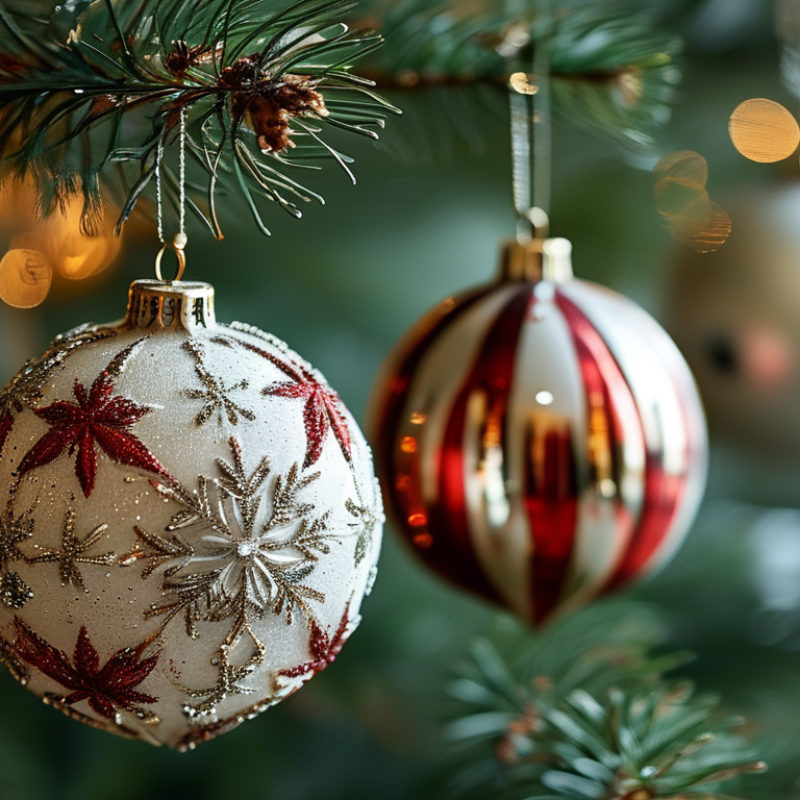
2026 Christmas Ornament Market Trends and Global Buyer Preferences
As we approach the 2026 holiday season, trends in Christmas ornaments evolve. Global buyers are leaning towards unique designs that reflect personal stories. Many seek handcrafted ornaments, appreciating the artistry and craftsmanship involved. These choices highlight a longing for authenticity in a world increasingly filled with mass-produced items.
Sustainability is another vital factor. Eco-friendly materials resonate with today's environmentally conscious consumers. Shoppers want pieces that not only look good but also support ethical practices. They often prioritize ornaments made from recycled materials or natural resources, stating their values through their purchases.
However, with a diverse market, preferences can vary widely. Some may still favor traditional designs that evoke nostalgia, bridging family traditions. Others might opt for innovative, tech-savvy ornaments featuring LED lights or digital elements. Retailers must navigate this complex landscape, sometimes struggling to meet all buyer preferences. Finding balance is essential in this vibrant yet unpredictable market.
Top 5 Ornament Materials: Durability, Aesthetics, and Eco-Friendliness
When choosing the best Christmas tree ornaments for 2026, the materials used can significantly impact both aesthetics and sustainability. The top five ornament materials include glass, plastic, metal, wood, and natural fibers. Each offers unique benefits, but not all are created equal. For instance, glass provides an elegant shine, yet it can be fragile. One might find themselves stressed when a cherished ornament breaks during decoration.
Plastic ornaments are lightweight and durable. However, many buyers are increasingly concerned about their environmental impact. These materials take hundreds of years to decompose. As a result, many families may feel guilty when choosing them. Metal ornaments can bring a vintage charm but may tarnish over time. This creates a dilemma for those who want longevity without sacrificing style.
Wooden ornaments have recently gained popularity for their rustic vibe. They are biodegradable and often handmade, adding to their charm. On the flip side, they can be more expensive and less consistent in quality. Natural fibers, such as cotton or jute, offer eco-friendly options too. However, they often lack the durability of other materials. Each choice presents advantages and drawbacks. Reflecting on these options can help buyers make more informed decisions this holiday season.
Cultural Influences on Christmas Ornament Designs Worldwide
Christmas ornaments reflect cultural influences worldwide. Different regions showcase unique styles and meanings in their designs. For example, a study by the National Retail Federation found that 40% of consumers seek ornaments that represent their heritage. This desire leads to a blend of traditional and modern elements.
In Italy, handmade glass baubles are popular. They symbolize craftsmanship and family heritage. In Mexico, vibrant, intricately designed ornaments highlight cultural celebrations. These reflect the blending of indigenous and colonial influences. According to market research from Statista, global sales of Christmas ornaments reached $6.5 billion in 2022, showing diverse preferences.
Moreover, social media trends impact ornament choices. Platforms like Instagram encourage personalized designs, often rooted in local culture. This trend shows how traditions evolve while reflecting individual stories. However, not all ornament designs resonate with every consumer. A section of buyers feel disconnected from mass-produced items. This reveals a need for more authentic and culturally rich options in the market.
2026 Best Xmas Tree Ornaments for Global Buyers? - Cultural Influences on Christmas Ornament Designs Worldwide
| Country |
Traditional Ornament Type |
Materials Used |
Cultural Significance |
Color Themes |
| Germany |
Glass Blown Ornaments |
Glass, Paint, Glitter |
Represents craftsmanship and family traditions |
Red, Green, Gold |
| USA |
Wooden Ornaments |
Wood, Paint, Natural Finishes |
Symbol of rustic charm and family gatherings |
Red, White, Silver |
| Mexico |
Piñata Ornaments |
Paper, Colorful Tissue |
Celebrates festive spirit and joy |
Bright, Multi-colored |
| Argentina |
Nativity Scene Ornaments |
Ceramic, Wood |
Represents the Christmas story and local culture |
Earthy Tones, White |
| Japan |
Fabric Ornaments |
Silk, Cotton |
Reflects art and craftsmanship |
Pastel Colors, Gold |
The Impact of E-commerce on Ornament Sales: Statistics and Insights
E-commerce has transformed the ornament sales landscape. Recent reports reveal that 30% of holiday shoppers prefer online shopping for ornaments. This shift hints at a growing trend towards convenience and variety. The ability to browse countless styles from home draws more customers each year.
Statistics indicate online ornament sales grew by 25% in the last holiday season. Yet, this can't overshadow the challenge of quality control. Many consumers report dissatisfaction with products that do not match online descriptions. Buyers often overlook reviews or fail to catch subtle details, leading to disappointment.
The ornament market is projected to reach $10 billion by 2025. This growth invites both opportunities and competition. However, the rise of e-commerce raises questions about sustainability and ethical sourcing. Many buyers are concerned about the environmental impact of packaging and shipping. A balance must be struck between convenience and conscious consumerism in this digital age.
2026 Best Xmas Tree Ornaments Sales Overview
Consumer Spending Patterns for Holiday Decorations in 2026
As we approach the holiday season in 2026, consumer spending on Christmas tree ornaments and holiday decorations continues to rise. According to the National Retail Federation, consumer expenditure on holiday decorations is expected to reach $22 billion this year, a significant increase from previous years. This growth reflects changing consumer preferences and a desire for unique holiday experiences.
The data reveals that 65% of consumers plan to buy new decorations this year. Many are prioritizing handmade and eco-friendly ornaments. The growing interest in sustainability shows that buyers are increasingly aware of the environmental impact of their purchases. Statistics indicate that 55% of consumers are willing to pay extra for sustainable products. However, this raises concerns about authenticity. Not all brands that claim to be eco-friendly are transparent about their practices.
Interestingly, the trend also suggests that personalization is key. Nearly 50% of consumers seek custom designs or options that reflect their personality and values. Traditional ornaments still have their charm, but a significant shift toward modern, personalized items is evident. As retailers adapt to these changes, they must navigate the fine line between innovation and tradition, ensuring they meet the evolving demands of today's buyers. This ongoing evolution in consumer preferences challenges brands to remain relevant while providing transparent and meaningful choices.
FAQS
: Cultural influences play a significant role, reflecting unique regional styles and meanings.
About 40% of consumers seek heritage representation, blending traditional and modern designs.
Handmade glass baubles symbolize craftsmanship and family heritage in Italy.
Vibrant designs blend indigenous and colonial influences, showcasing rich cultural heritage.
Platforms like Instagram encourage personalized designs rooted in local culture and traditions.
Not every design resonates; many consumers feel disconnected from mass-produced items.
30% of holiday shoppers prefer online shopping for convenience and variety in ornament styles.
Many report dissatisfaction with items not matching online descriptions or expectations.
There are worries about sustainability and ethical sourcing in the ornament production process.
It's projected to reach $10 billion by 2025, with opportunities and competition increasing.
Conclusion
The 2026 Christmas ornament market is witnessing significant trends influenced by global buyer preferences, as the demand for unique and personalized Xmas tree ornaments rises. Key materials such as glass, metal, wood, fabric, and eco-friendly options highlight the importance of durability, aesthetics, and sustainability among consumers. Cultural influences play a critical role in shaping ornament designs, reflecting regional traditions and festive themes.
Moreover, the shift towards e-commerce has revolutionized ornament sales, allowing buyers to access a broader range of products while providing valuable insights into consumer spending patterns for holiday decorations. As purchasing habits evolve, understanding these market dynamics will be essential for both sellers and buyers looking to enhance their holiday experience with the perfect Xmas tree ornaments.

 Shintae